Security & Truststory2 min
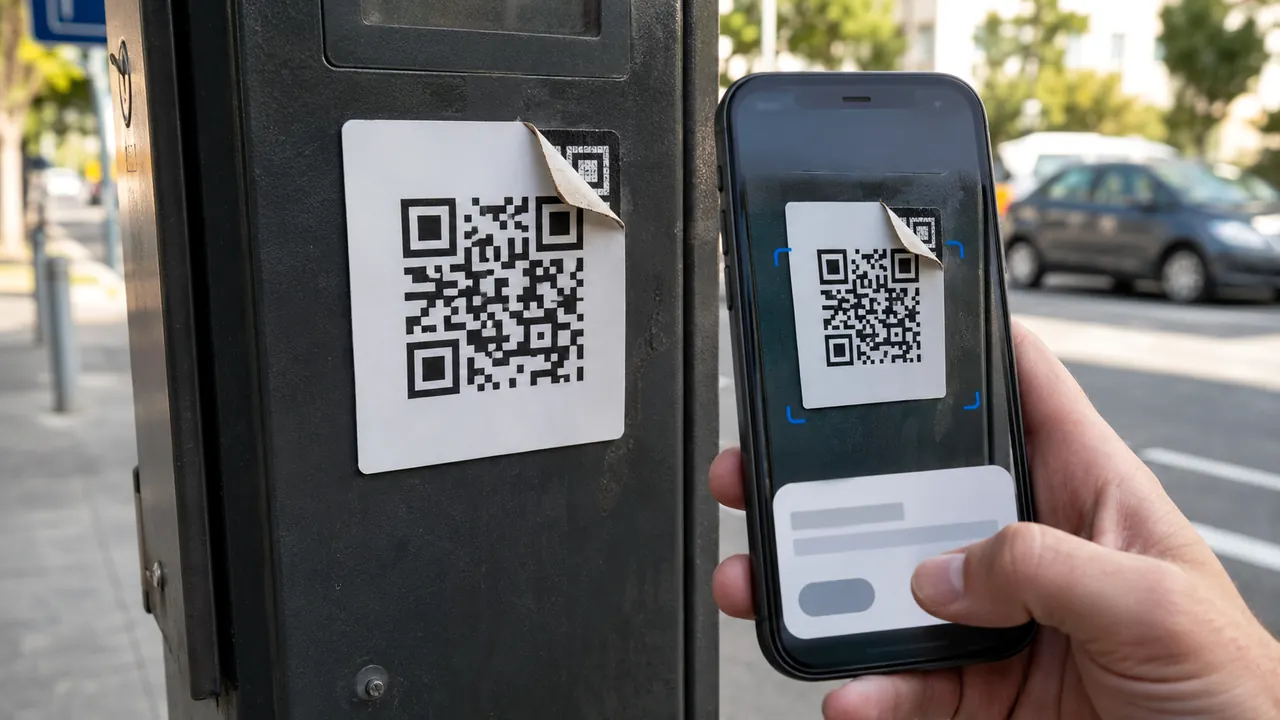
Scan a QR Code Without Handing It Blind Trust
Treat a QR code as a concealed link: preview it, inspect its context, and use a known route for payments or logins.
Payment problems, online safety, browser privacy, AI tools, and everyday tech choices.
The newest Strangely Useful guides for payment mistakes, account warnings, browser settings, AI tools, and online-security questions.
92 published guides · newest first
Page 3 of 6
Treat a QR code as a concealed link: preview it, inspect its context, and use a known route for payments or logins.

A durable file name carries date, subject, and version without depending on one app’s search index.
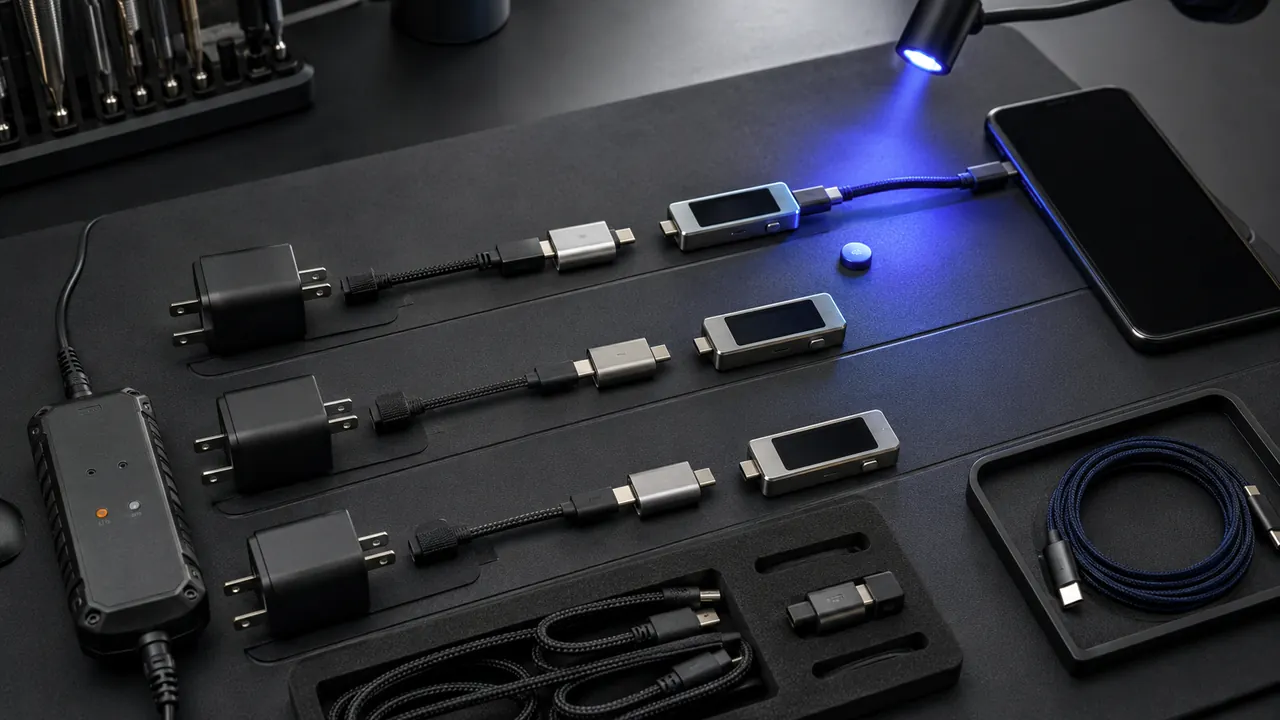
Swap one known-good link at a time and separate power, data, display, and charging-speed failures.
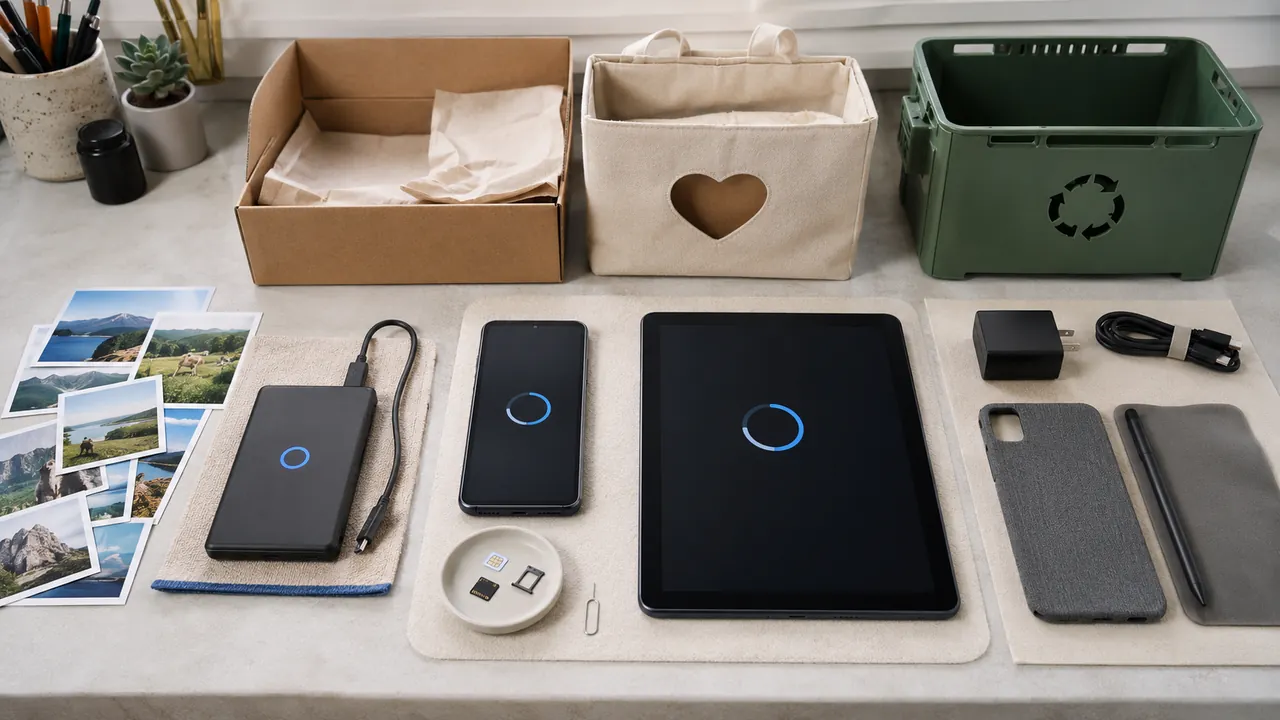
Back up, sign out, remove locks, erase correctly, and verify the device no longer appears in your account.

Start with the print queue and connection path; reinstalling drivers is a late step, not the opening move.

Text size, contrast, captions, voice control, and reduced motion can make everyday devices easier before they become essential.

A two-minute local test catches the permissions, device-selection, lighting, and Bluetooth problems meetings expose too late.
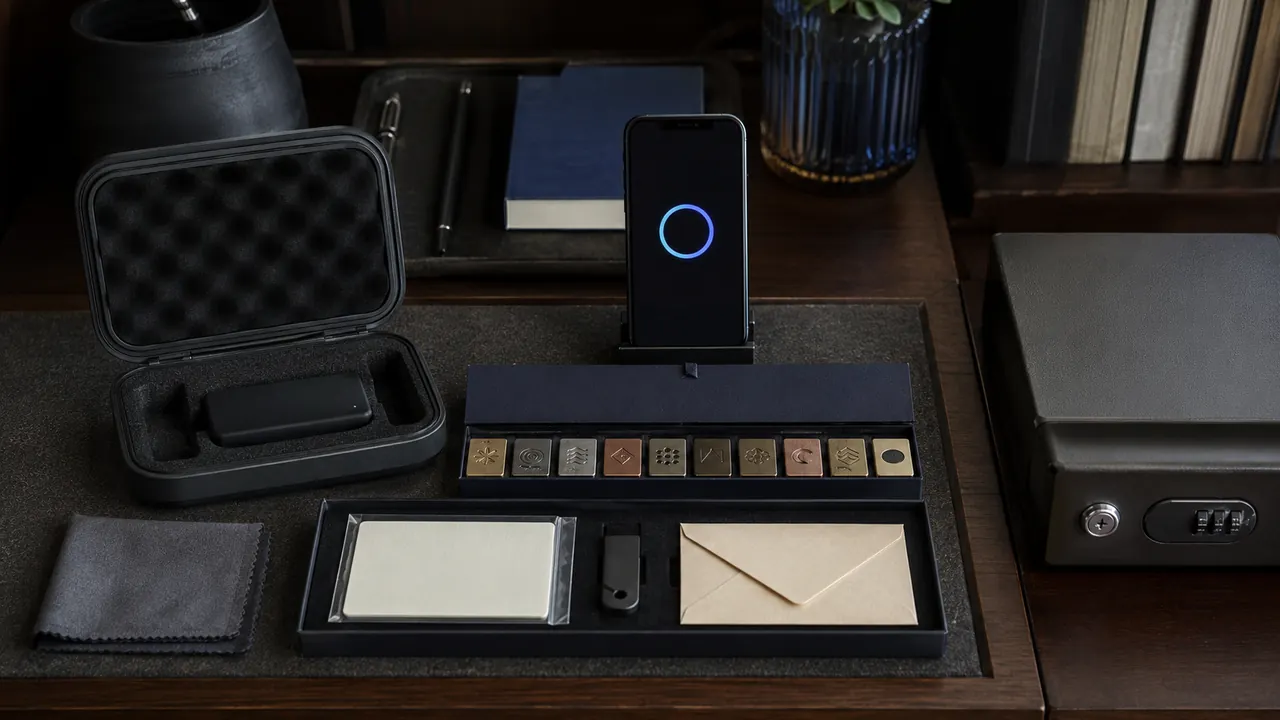
Start with a unique master password, recovery material, and a small migration—not a rushed import of every account.
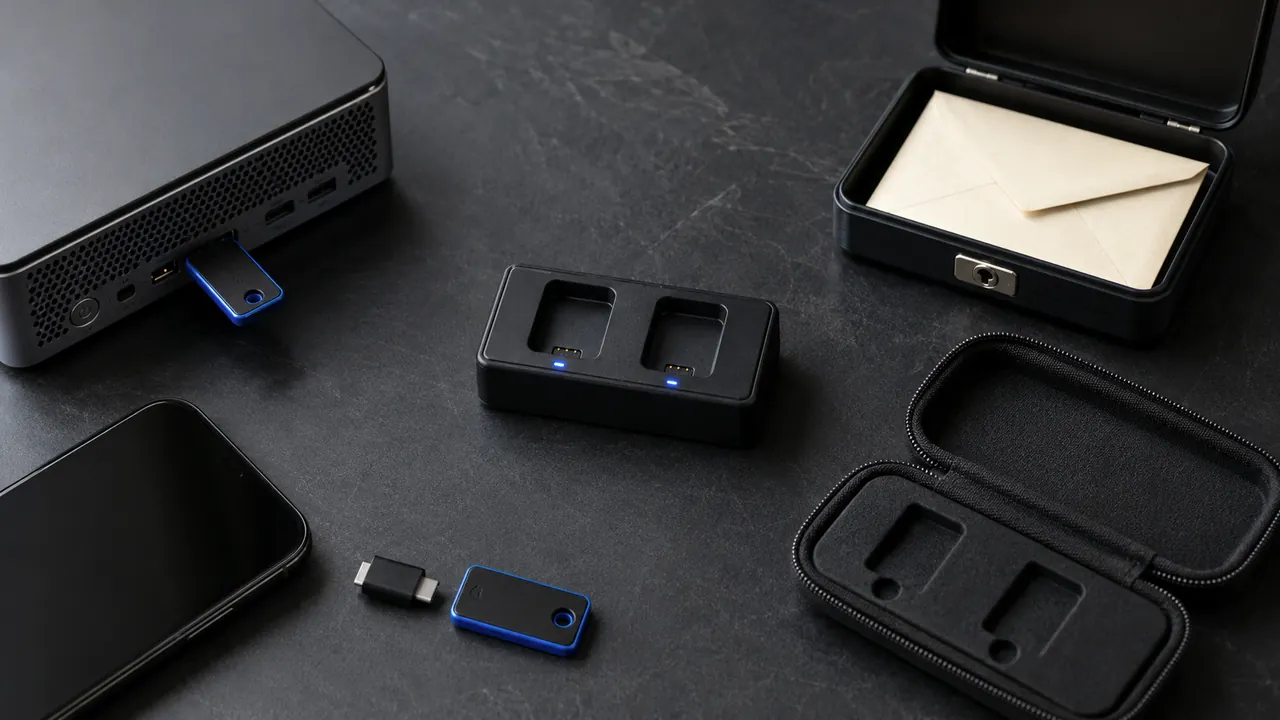
Security keys can resist common phishing, but everyday readiness requires two keys, supported accounts, and a recovery route.
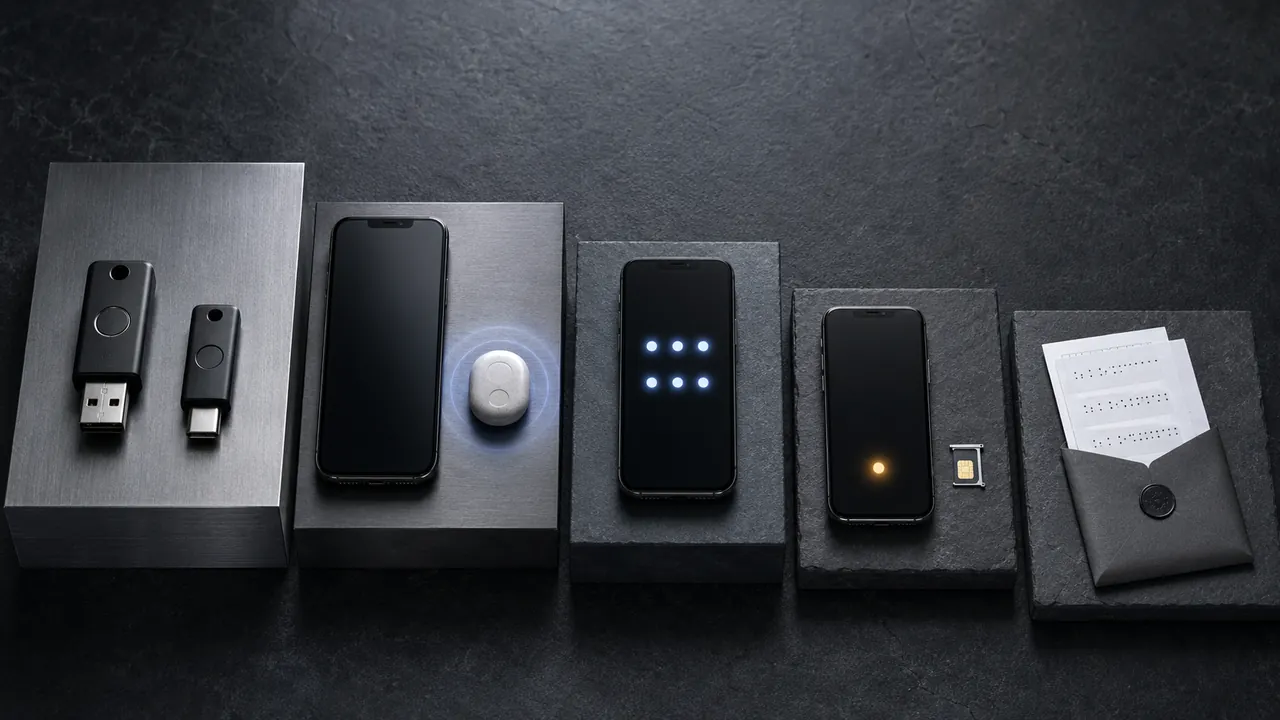
Use a passkey or security key where it fits, keep a tested recovery path, and treat codes and push prompts as useful fallbacks—not equal protection.
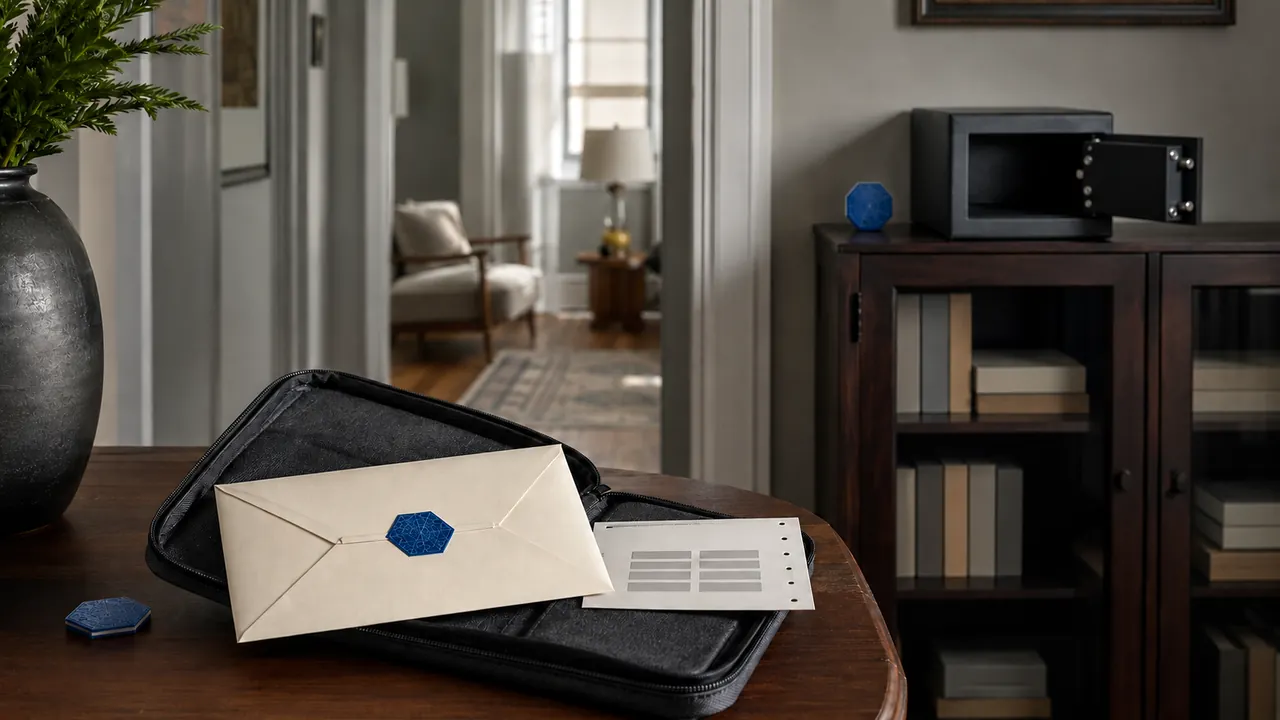
Recovery codes belong outside the account and outside the device they are meant to rescue.

A recovery mailbox should be independent, monitored, strongly protected, and used for recovery—not newsletters and random signups.
Ignore the number in a warning, ad, or unsolicited message; open the app or type the official site yourself.
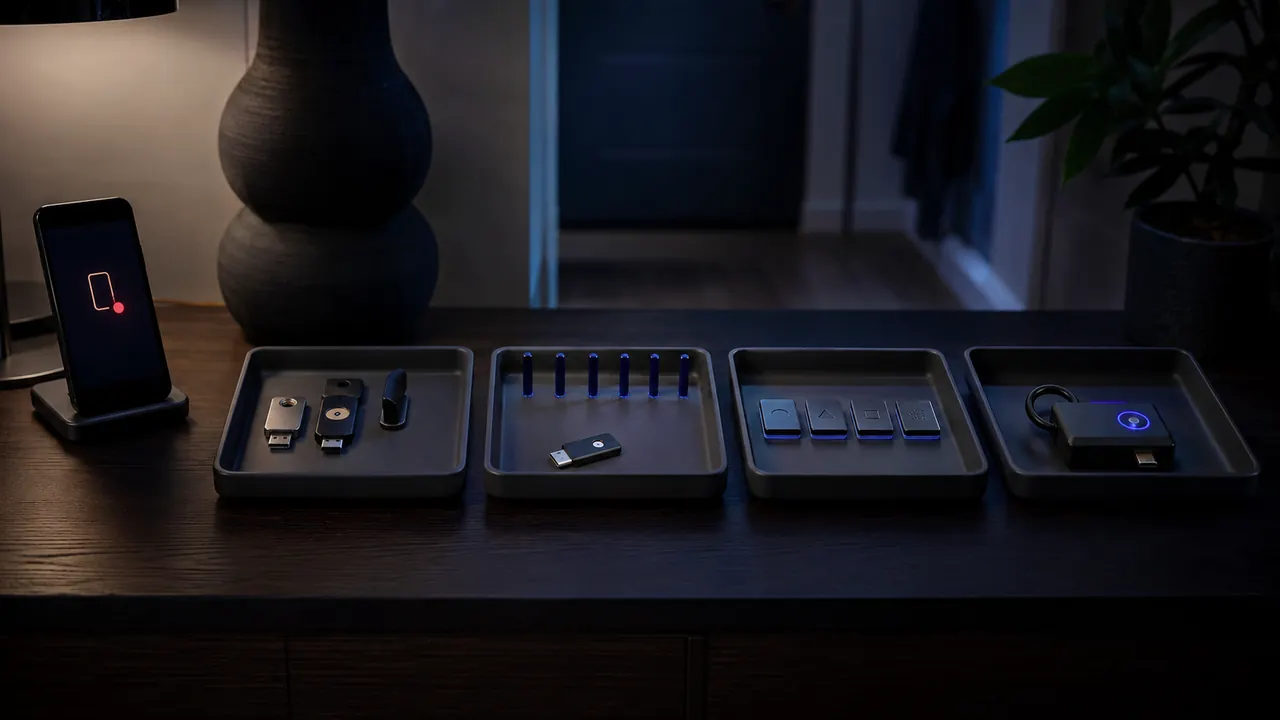
Open the account yourself, compare the device, time, browser, and activity, then use the provider's “not me” or security route if the event is not yours.

Use the right recovery branch, remove hidden mailbox access, then protect the accounts that depend on this address for password resets.
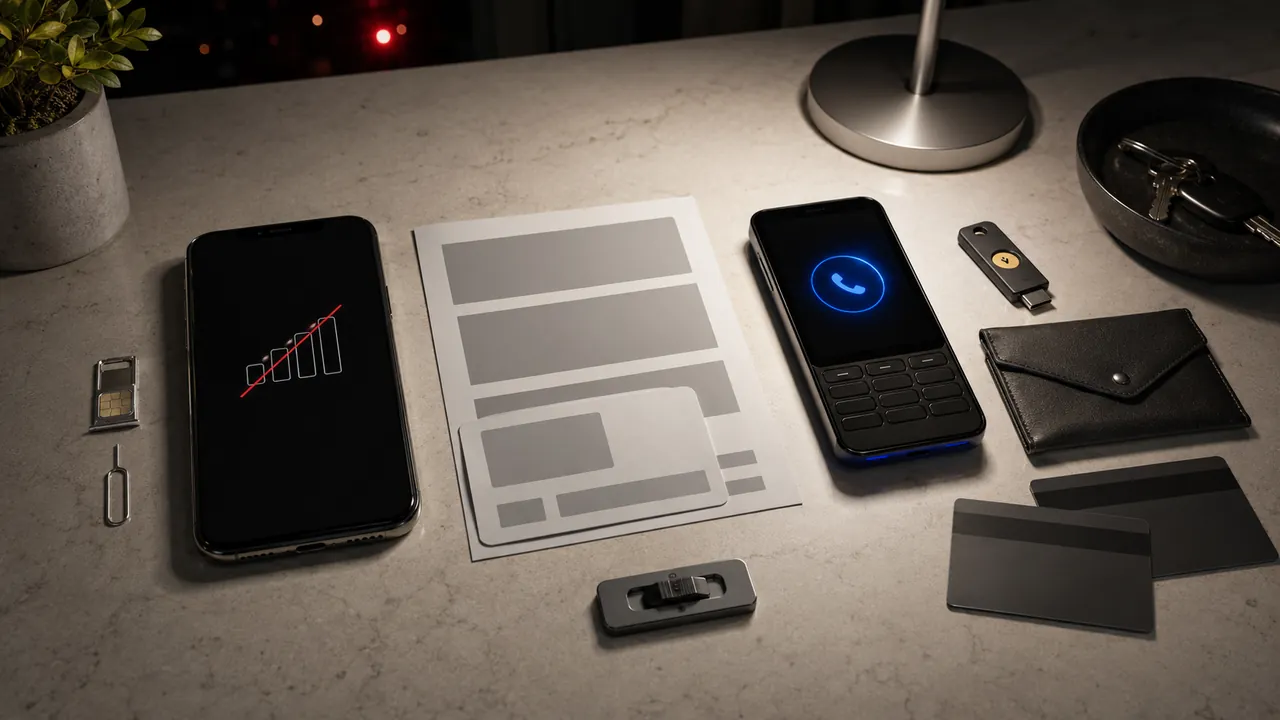
First rule out an outage. Then ask the carrier whether your SIM, device, or phone number changed, protect email and money accounts without SMS, and preserve the incident record.

Remove old OAuth grants and sign-in connections that no longer have a clear job.
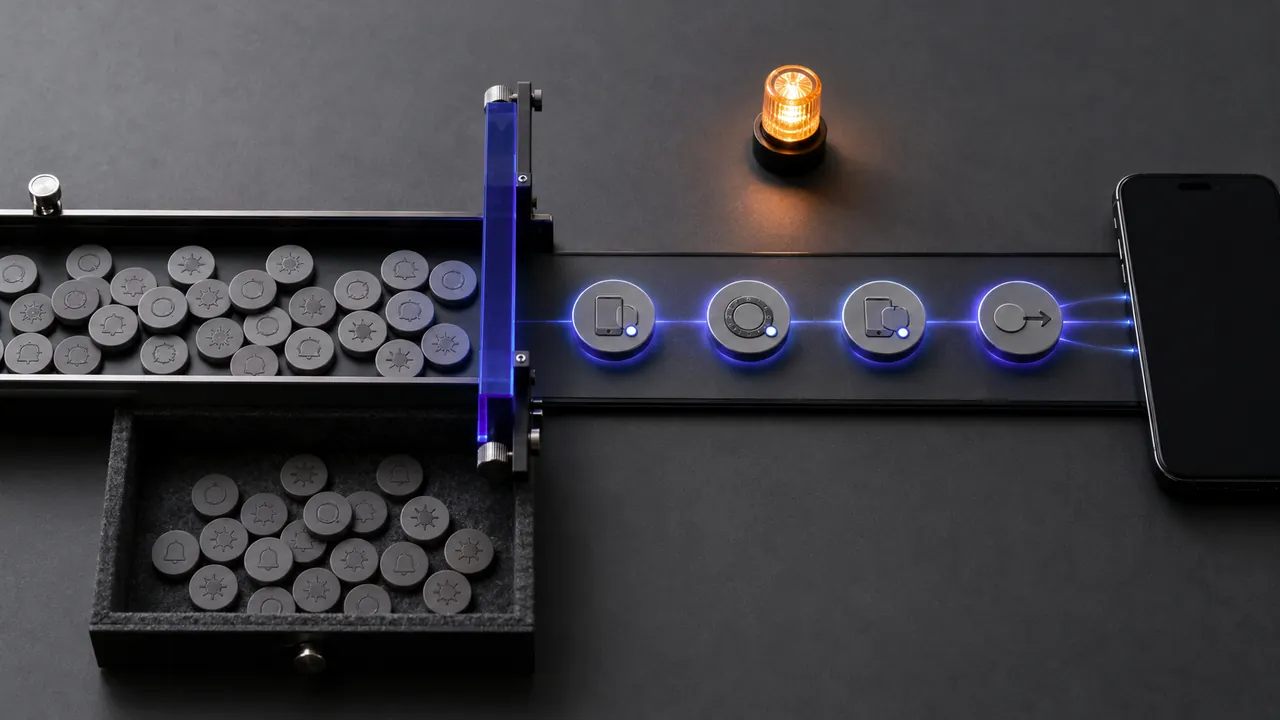
Prioritize new sign-ins, recovery changes, money movement, and new-device notices; route them somewhere you will see.