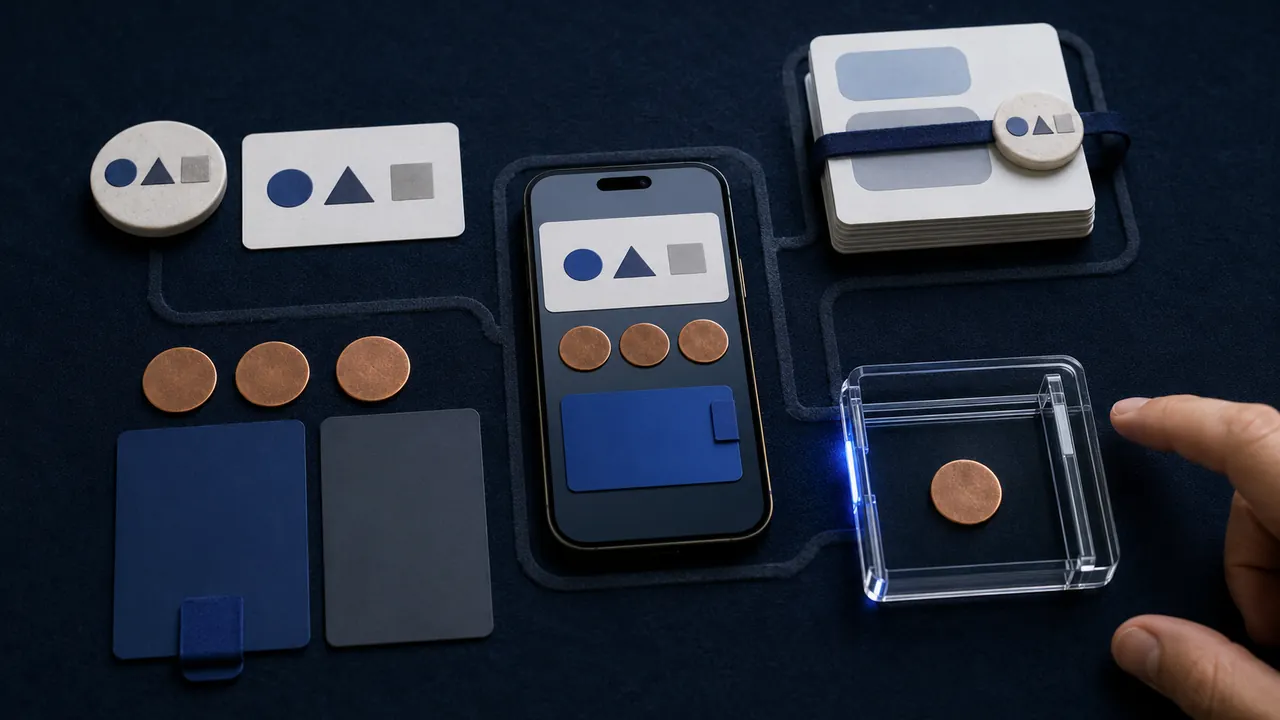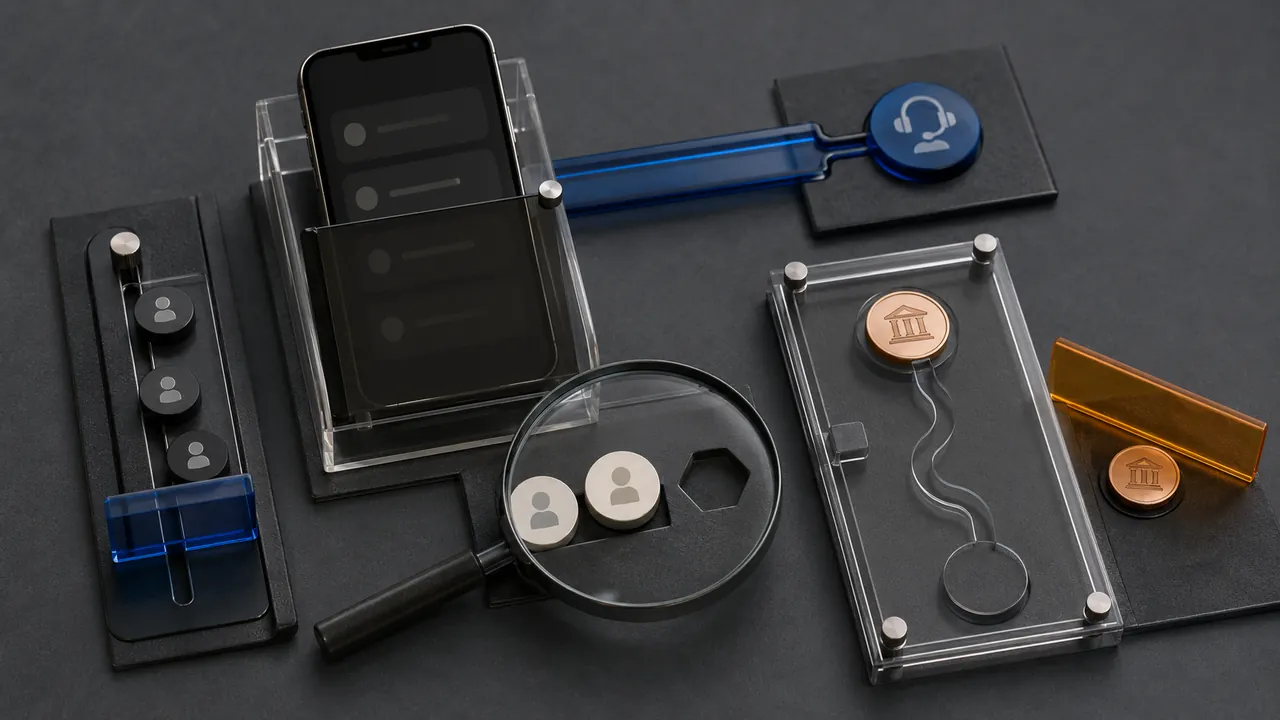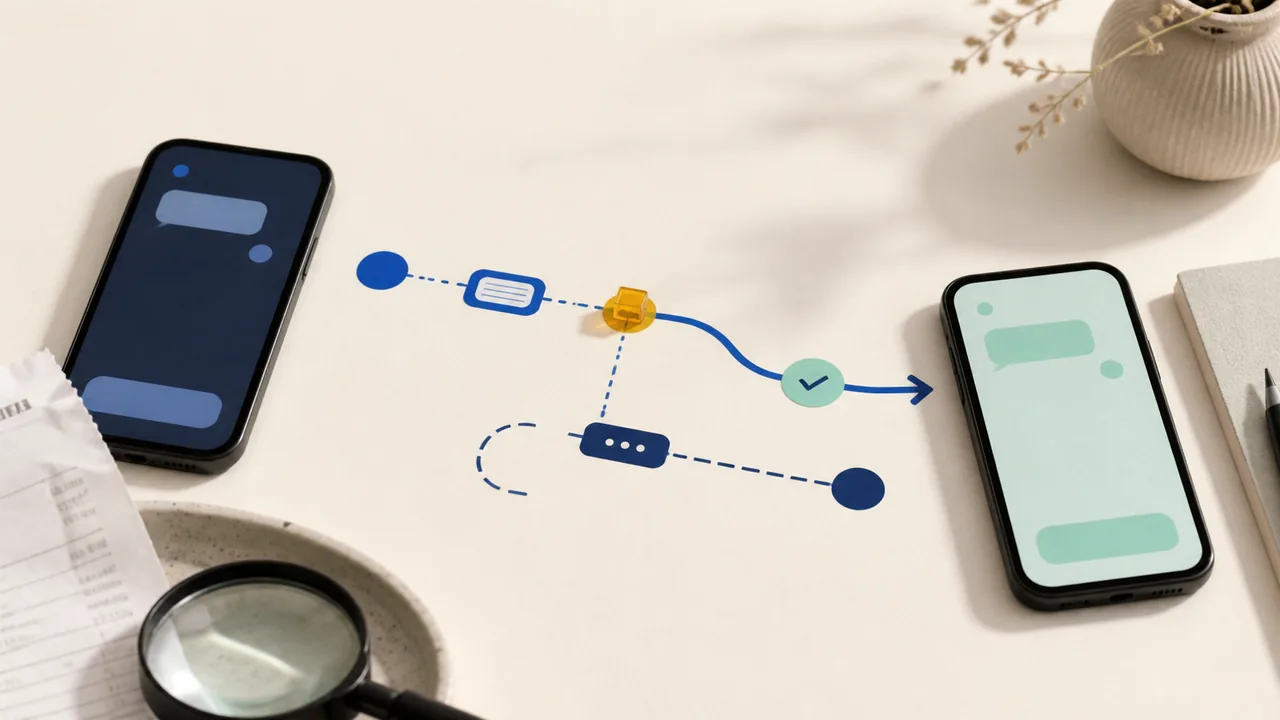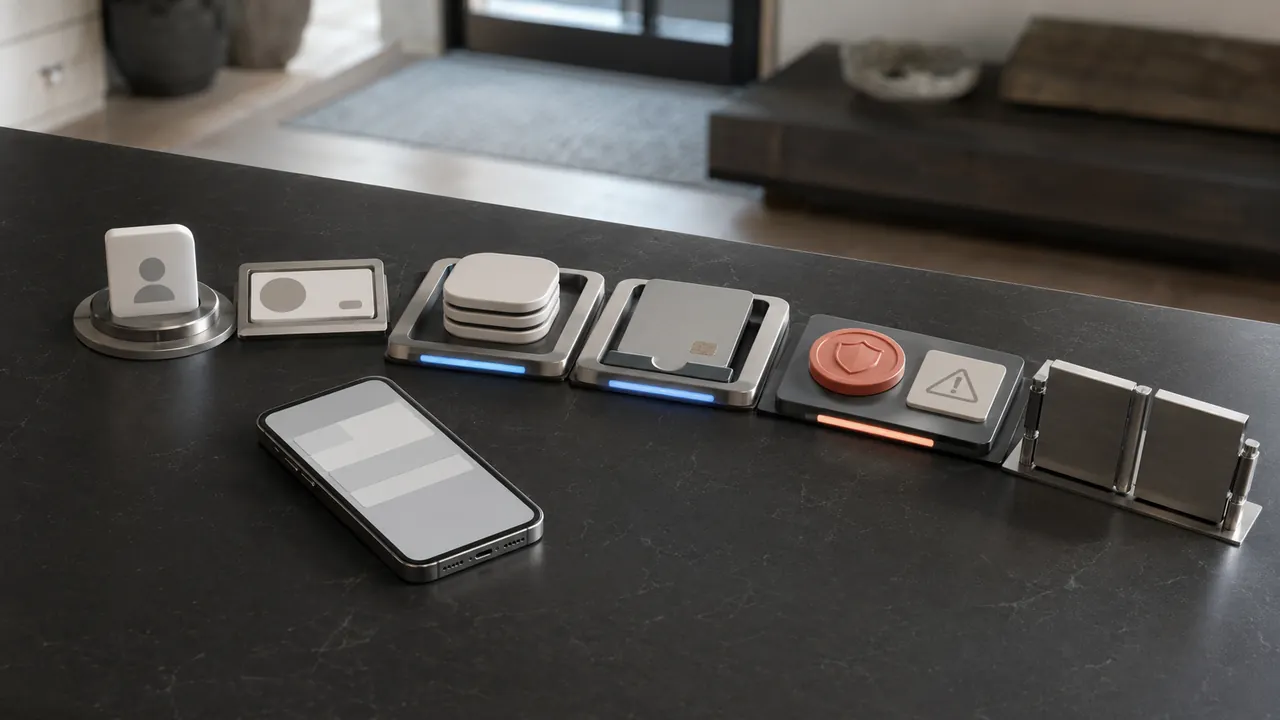
A Cashtag is easy to type and easy to imitate. Before a meaningful payment, confirm the person through another conversation and read the recipient screen as if the transfer cannot be pulled back.
Confirm the recipient through a separate channel, protect the account, and understand that a completed person-to-person payment may be hard to reverse. Use Cash App’s own security lock, alerts, and support. A search-engine phone number or social-media “agent” is not a safe support route.
Open the recipient’s profile from a conversation you already trust and confirm the app is current. Decide the maximum amount you are willing to send without a test.
Confirm the human behind the Cashtag
Enable the app’s security lock and account alerts. Turn on Security Lock and transaction notifications before sending. These controls protect the app on an unlocked phone and surface account activity quickly.
Use the controls already in the app
Confirm the recipient’s name and Cashtag independently
Confirm the recipient’s name and Cashtag through a conversation you already trust. Profile pictures and near-identical Cashtags are easy to copy.
Send a small test amount for a new high-stakes recipient
For a large first payment, send a small agreed test only when the recipient confirms it live. Never test by paying a stranger who contacted you.
Use in-app support rather than search-result phone numbers
Use support inside Cash App or the official site. Ignore callers claiming money must be moved to protect the account.
Report unauthorized activity immediately and preserve screenshots
For unauthorized activity, lock the card if relevant, capture the transaction, and report it immediately. Do not send a second payment to reverse the first.
Scammers may impersonate support after a user searches for a phone number. Cash App publishes its support routes; starting inside the signed-in app prevents a fake search result from controlling the conversation.
A second payment does not reverse the first
- Do not send money to “verify” or “unlock” an account.
- Do not share sign-in codes or screen-share banking apps.
- Treat giveaway and refund promises as scam signals.
Report a transaction immediately when it was unauthorized, the recipient differs from the intended person, or a supposed support agent instructed the payment.
Where legitimate support lives
Menus, limits, and recovery options change. Confirm the current steps in “Security at Cash App” and “Mobile Payment Apps: How To Avoid a Scam When You Use One” before acting.
Cash App advises users to turn on Security Lock, never share one-time login codes, and send money only to people they know.
The FTC warns that money sent through a payment app can be difficult to recover and recommends confirming recipients.
If a Cash App payment goes wrong
Do this first: open Activity, check whether the payment is pending or completed, and save the receipt, $Cashtag, profile details, amount, timestamp, and messages.
Do not send a refund fee, verification deposit, or second payment. Cash App says payments are often instant, and recovery is not guaranteed when a person-to-person payment has completed.
Message to use
I sent this payment by mistake. Please open the original Cash App payment, choose Refund, and confirm it from that transaction. Please do not send a separate payment.
If the recipient does not help or the payment may be a scam, report the payment in Cash App and contact official Cash App support. If a linked card or bank account is involved, contact that financial institution with the saved receipt.