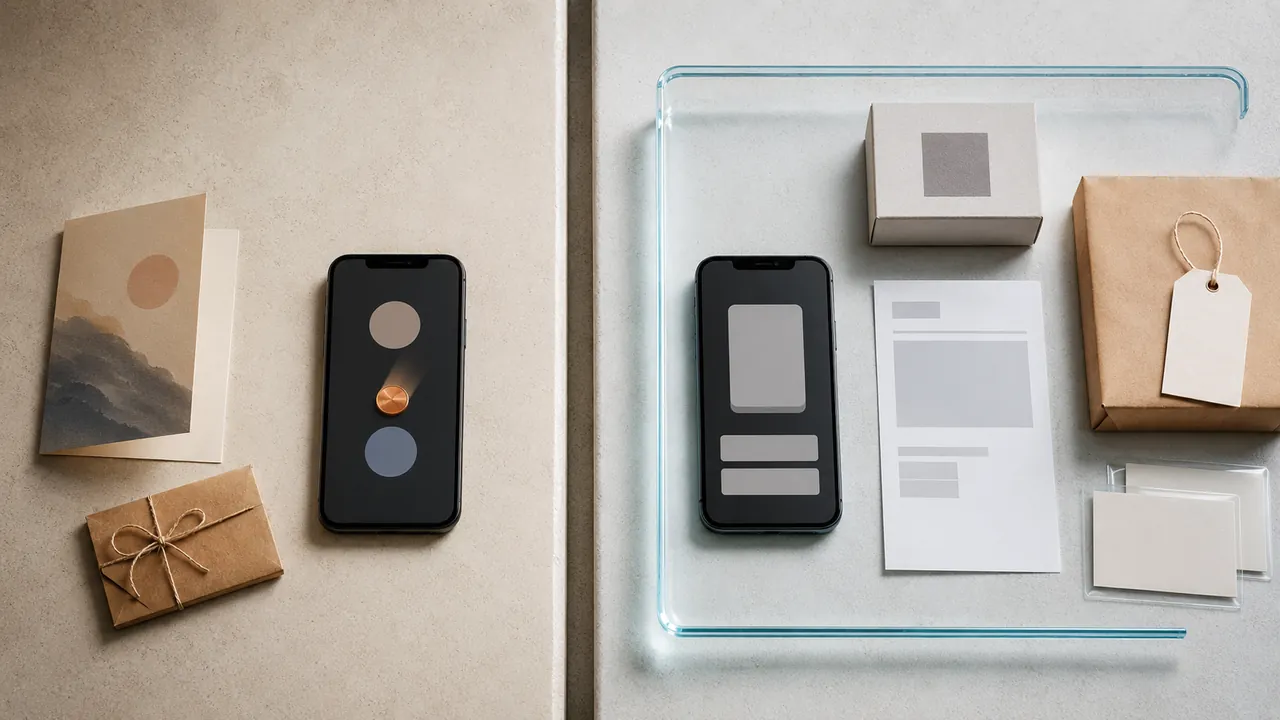
A seller can make Friends and Family sound like a harmless way to save a fee. It is not a discount version of checkout. The label changes which PayPal rules apply when the item never arrives or is materially different from the listing.
Choose the payment type in 10 seconds
- You are sending a gift, repaying someone you know, or splitting a shared bill: Friends and Family fits a personal transfer when no item or service is being bought.
- You expect an item, booking, download, or service in return: use Goods and Services, even when the seller is a friend, acquaintance, or familiar marketplace account.
- The seller offers a lower price only if you use Friends and Family: stop. PayPal says personal payments are not covered by Purchase Protection, and its U.S. user agreement says not to use a personal transaction to pay for goods or services.
Friends and Family versus Goods and Services
| Question | Friends and Family | Goods and Services |
|---|---|---|
| What is it for? | Gifts, reimbursements, and shared expenses with people you know. | Buying an item or service. |
| Purchase Protection? | No. PayPal excludes personal payments, including Friends and Family, from Purchase Protection. | Eligible purchases may qualify. Coverage is not automatic or universal. |
| Who normally pays a PayPal fee? | In the U.S., balance- or bank-funded personal payments can be free; card funding and international transfers can add charges. | PayPal says the seller pays a fee to receive a Goods and Services payment. |
| Best record to keep | The personal reason for the transfer and the recipient details. | The listing, invoice, seller identity, delivery promise, messages, and transaction receipt. |
Do not choose from a memorized fee percentage. PayPal fees depend on country, funding source, account type, and other details. Read the amount and payment label on the final review screen.
Before you pay for an item or service
- Read the payment label. Look for language that identifies the payment as a purchase or as Goods and Services. A note such as “for a laptop” does not turn a personal payment into a protected purchase.
- Save the offer. Keep the listing, agreed price, seller profile, item condition, delivery method, and promised date before money moves.
- Check eligibility. Goods and Services is the correct payment type for a purchase, but PayPal still applies exclusions and evidence rules.
- Keep the conversation tied to the transaction. A receipt and the original messages are more useful than a later summary of what was promised.
If the seller insists on Friends and Family
Treat the request as a decision point, not a negotiation over a small fee. A legitimate seller may dislike the cost, but shifting the transaction into a personal-payment category shifts the protection risk to you.
I am buying an item or service, so I will only pay using Goods and Services. If that payment type is not available, I will not send the payment.
Do not look for a workaround when PayPal does not offer Friends and Family to a recipient. PayPal says some business accounts may not be eligible to receive personal transactions. The missing option is not a reason to send money another way.
If you already paid with Friends and Family
- Open PayPal Activity and save the transaction ID, recipient, amount, funding source, timestamp, status, listing, and conversation.
- Separate an authorized purchase that went wrong from a payment you truly did not authorize. PayPal handles unauthorized activity under a different process from Purchase Protection.
- Use PayPal's own app or website to contact support and ask what options apply to that exact transaction. Do not describe an authorized payment as unauthorized.
- Do not send a second payment, a release fee, or a supposed verification payment. Keep every new request with the original evidence.
Friends and Family is excluded from Purchase Protection, so recovery may be limited. Preserve the record before the seller deletes a listing or moves the conversation. The guides on saving useful screenshots and finding real support can help with that step.
What PayPal Purchase Protection can cover
PayPal's U.S. Purchase Protection terms say an eligible transaction may qualify when an item never arrives or arrives significantly not as described. PayPal decides eligibility from the program terms and the evidence supplied during the case.
- Item Not Received: the seller does not deliver the item.
- Significantly Not as Described: the item is materially different, counterfeit, badly misrepresented, missing major parts, or damaged in shipment in a way covered by the terms.
- Important limits: exclusions include personal payments and several transaction or item categories. Some in-person and pickup purchases also have narrower protection.
- Return costs: PayPal may require a return and says Purchase Protection does not cover the return shipping cost.
Goods and Services opens the appropriate protection path for an eligible purchase; it does not promise that every dispute will be refunded. Check the current terms before a high-value or unusual purchase, and use the Money & Payments desk for related payment-problem guides.